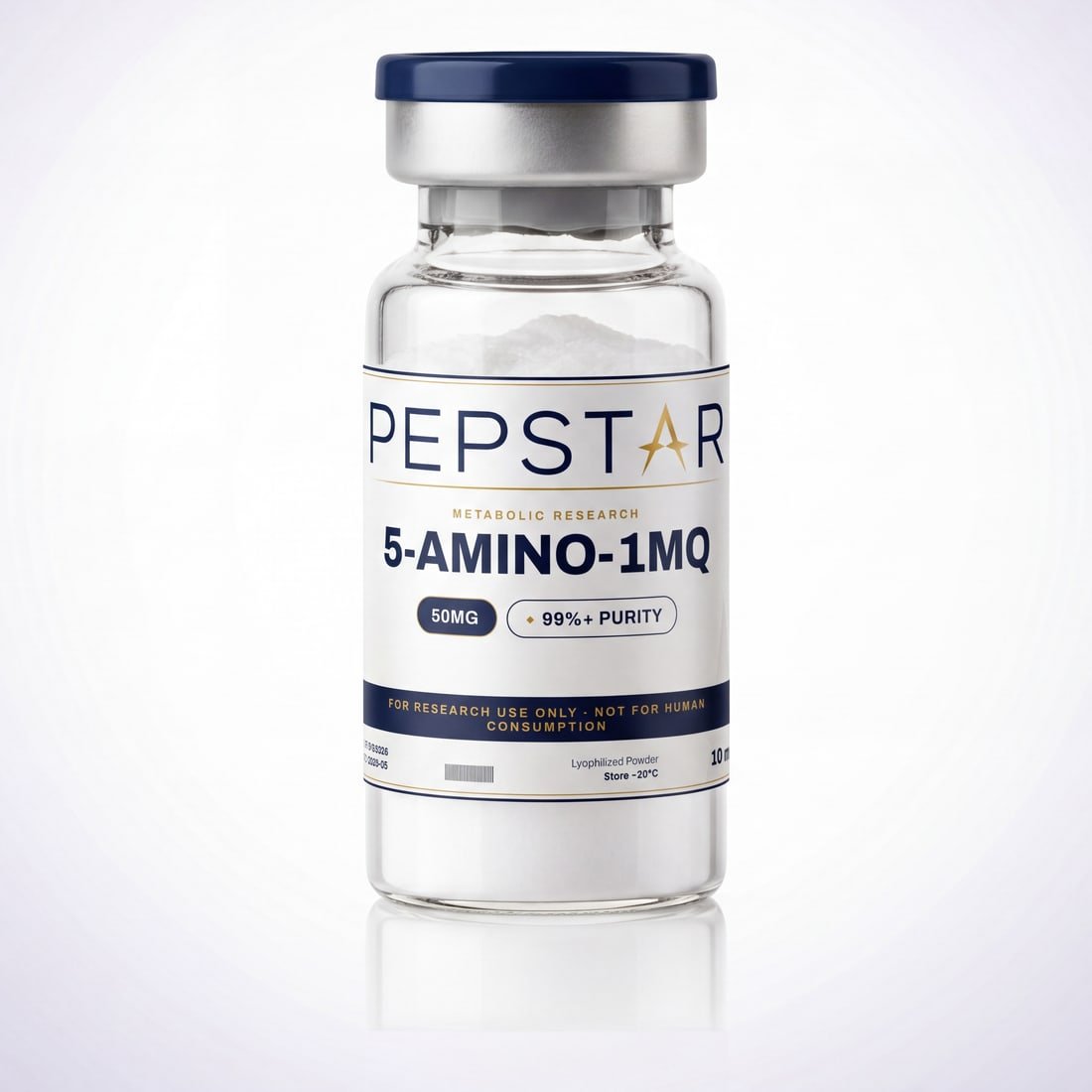
Metabolic Research
5-Amino-1MQ
50mg
$100
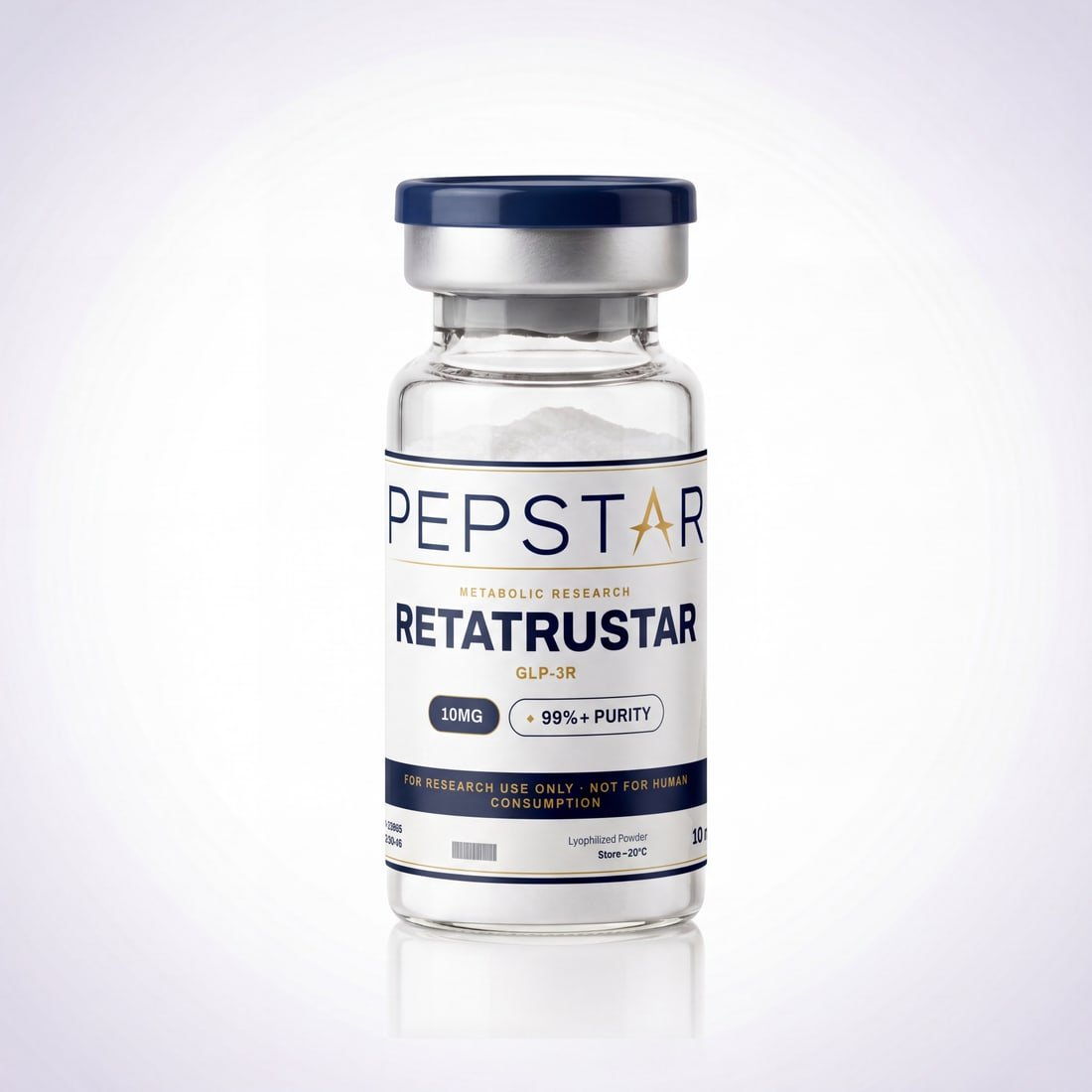
Retatrutide/GLP-3R is an investigational synthetic peptide commonly described in metabolic research as a GLP-3 receptor agonist peptide, due to its ability to activate three key glucagon-related peptide pathways involved in metabolic regulation: GLP-1 (glucagon-like peptide-1), GLP-2–related GIP signaling, and glucagon receptor activity. This multi-pathway mechanism distinguishes retatrutide from single- and dual-agonist GLP peptides.
Through GLP-1 receptor activation, retatrutide has been shown in research to influence appetite regulation, satiety signaling, gastric emptying, and glucose-dependent insulin secretion. GLP-2/GIP-associated pathways contribute to insulin sensitivity, nutrient handling, and adipose tissue signaling, while GLP-3-associated glucagon receptor activity is linked to increased energy expenditure, enhanced fat oxidation, and lipid metabolism.
Preclinical studies and Phase 2 clinical trials have evaluated retatrutide for its potential role in weight loss research, obesity, metabolic syndrome, type 2 diabetes, insulin resistance, and fatty liver disease. Clinical data demonstrate significant reductions in body weight, HbA1c, fasting glucose, and liver fat, positioning retatrutide as a next-generation GLP-3 peptide therapy under active investigation.
Retatrutide’s peptide structure incorporates amino acid substitutions and lipid conjugation to improve stability and extend half-life, enabling once-weekly administration in research settings. Ongoing research continues to explore retatrutide’s effects on energy balance, cardiometabolic biomarkers, adipose tissue metabolism, and long-term metabolic health.
| Compound | RetatruStar (GLP-3R) |
| Category | Metabolic Research |
| Available sizes | 10mg, 20mg, 30mg |
| Purity | 99%+ |
| Form | Lyophilized Powder |
| Storage | Store lyophilized at −20°C; reconstituted, refrigerate at 2–8°C |
For research use only. Not for human or veterinary use, consumption, or therapeutic application.

Every batch is third-party tested for 99%+ purity. Order before 3PM EST for same-day dispatch.