Metabolic Research
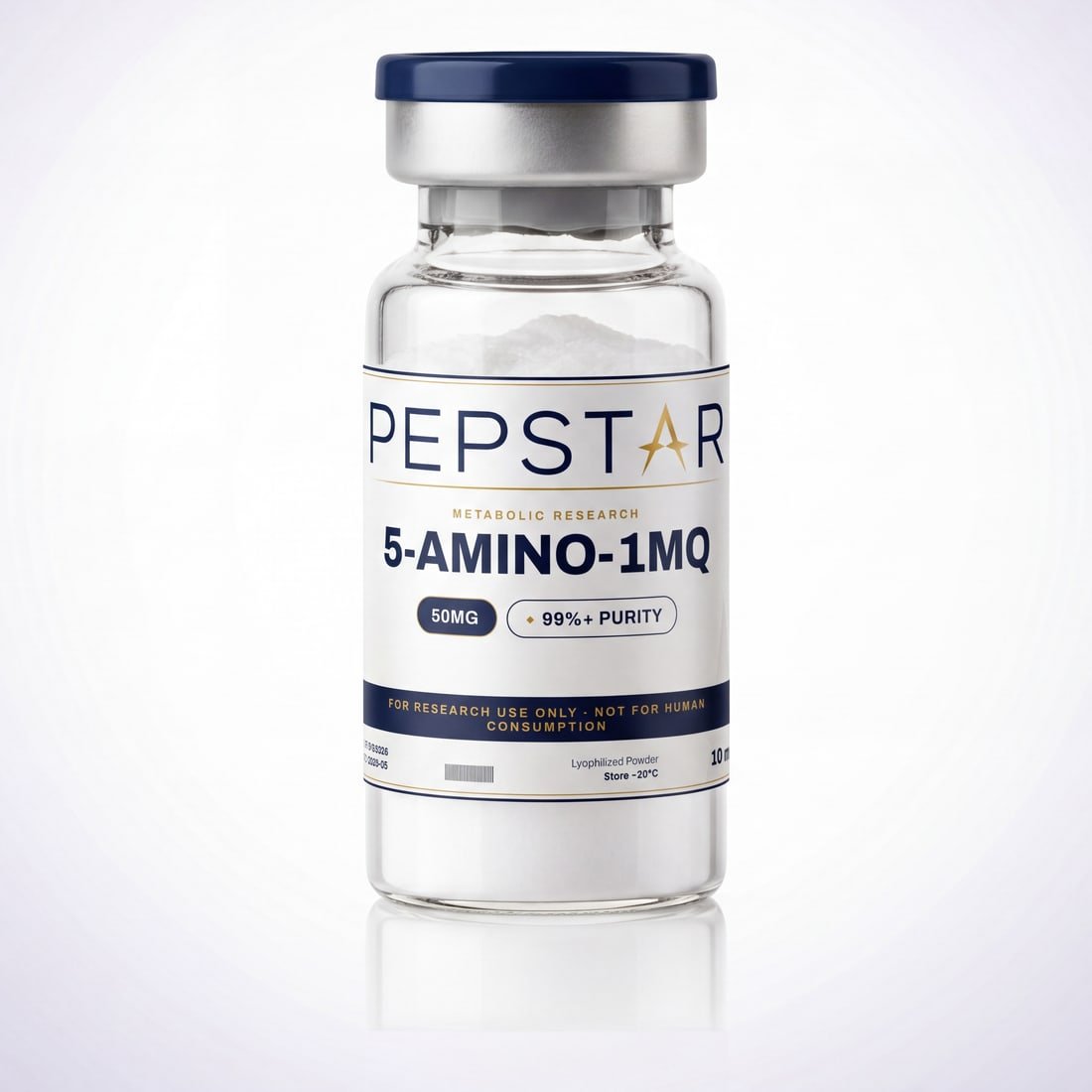
5-Amino-1MQ
50mg
$100
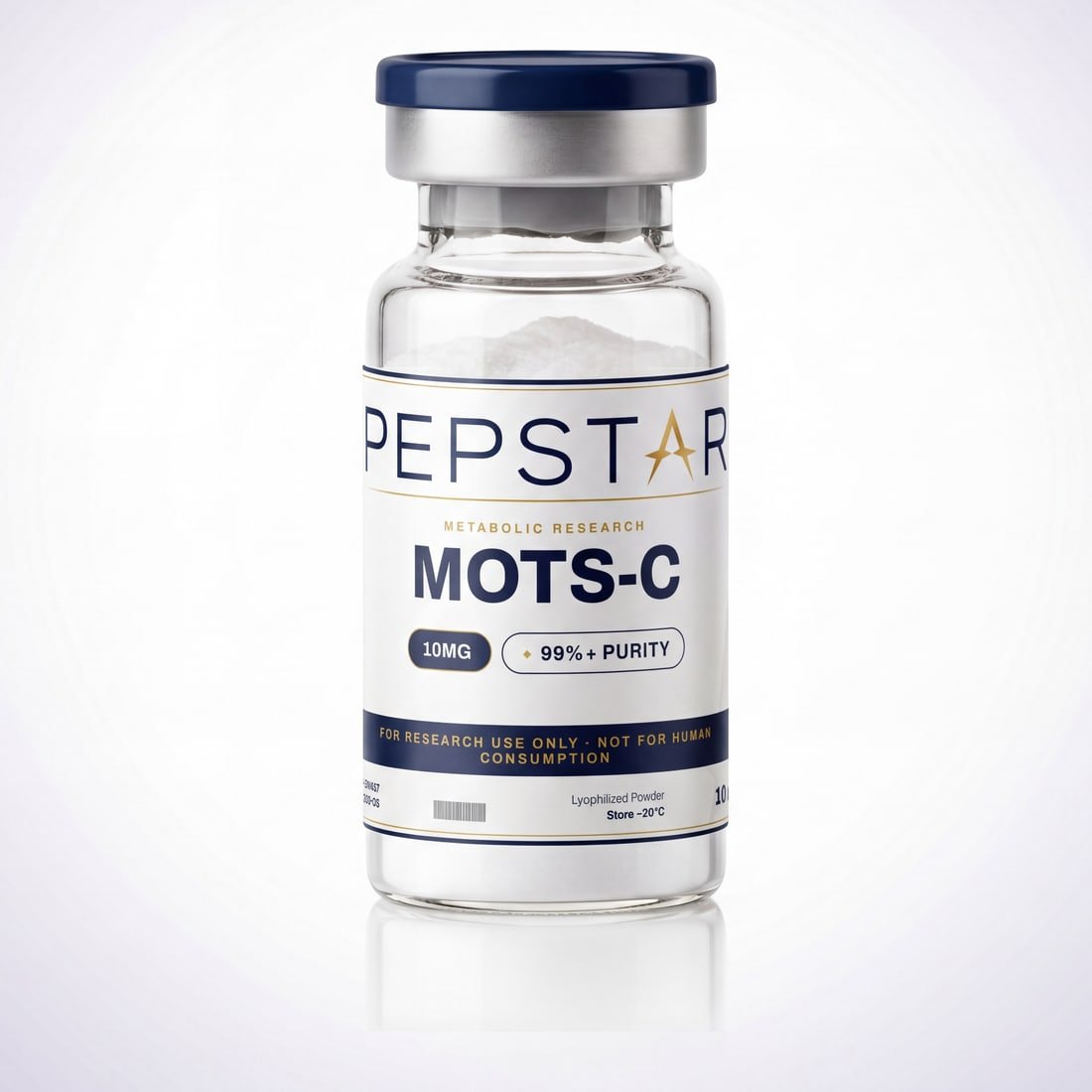
MOT-c is a remarkable peptide of mitochondrial origin that has captured the attention of the scientific community for its potential role in regulating metabolic homeostasis. Encoded within the mitochondrial 12S rRNA region, this 16-amino acid peptide acts as a signaling molecule that facilitates communication between the mitochondria and the nucleus, often described as a "mitochondrial hormone." Research suggests that MOT-c primarily functions by activating AMPK (AMP-activated protein kinase), a master regulator of energy levels, thereby mimicking the metabolic effects of exercise. It is a primary subject of interest for researchers studying metabolic flexibility, weight management, and cellular energy optimization.
Technical Specifications & Research Utility The exploration of MOT-c (Mitochondrial Open Reading Frame of the 12S rRNA-c) represents a frontier in the study of mitokines and their systemic influence on physiological metabolism. In laboratory settings, MOT-c is frequently utilized to investigate the mechanisms governing insulin sensitivity and glucose uptake in skeletal muscle tissue. By targeting the folate-methionine cycle, MOT-c has been observed to inhibit the de novo purine biosynthesis pathway, which subsequently leads to an accumulation of AICAR (5-aminoimidazole-4-carboxamide ribonucleotide) and the robust phosphorylation of AMPK. This cascade makes MOT-c an invaluable compound for researchers examining the molecular pathways of type 2 diabetes, obesity, and age-related metabolic decline without the confounding variables of physical exertion.
Furthermore, the peptide’s influence extends into the realm of cytoprotection and cellular longevity. Extensive in vitro and in vivo assays have highlighted MOT-c’s capacity to enhance beta-oxidation of fatty acids while simultaneously suppressing adipogenesis (fat cell formation). This dual-action mechanism renders it a critical reagent for studies focused on lipid metabolism disorders and the prevention of high-fat diet-induced weight gain. Researchers are also investigating MOT-c’s role in promoting thermogenesis within brown adipose tissue (BAT), offering a potential avenue for understanding non-shivering thermogenic responses.
Given its high solubility and specific activity profile, our lyophilized MOT-c is prepared to exacting standards to ensure maximum stability and peptide purity (>99%). It serves as a consistent and reliable standard for analytical chromatography, Western blot analysis of AMPK pathway activation, and cell culture treatments involving myoblasts and adipocytes. The reconstitution and handling of this mitochondrial-derived peptide require strict adherence to sterile laboratory protocols to preserve its tertiary structure and bioactivity during experimental procedures.
| Compound | MOTS-c |
| Category | Metabolic Research |
| Available sizes | 10mg, 40mg |
| Purity | 99%+ |
| Form | Lyophilized Powder |
| Storage | Store lyophilized at −20°C; reconstituted, refrigerate at 2–8°C |
For research use only. Not for human or veterinary use, consumption, or therapeutic application.

Every batch is third-party tested for 99%+ purity. Order before 3PM EST for same-day dispatch.