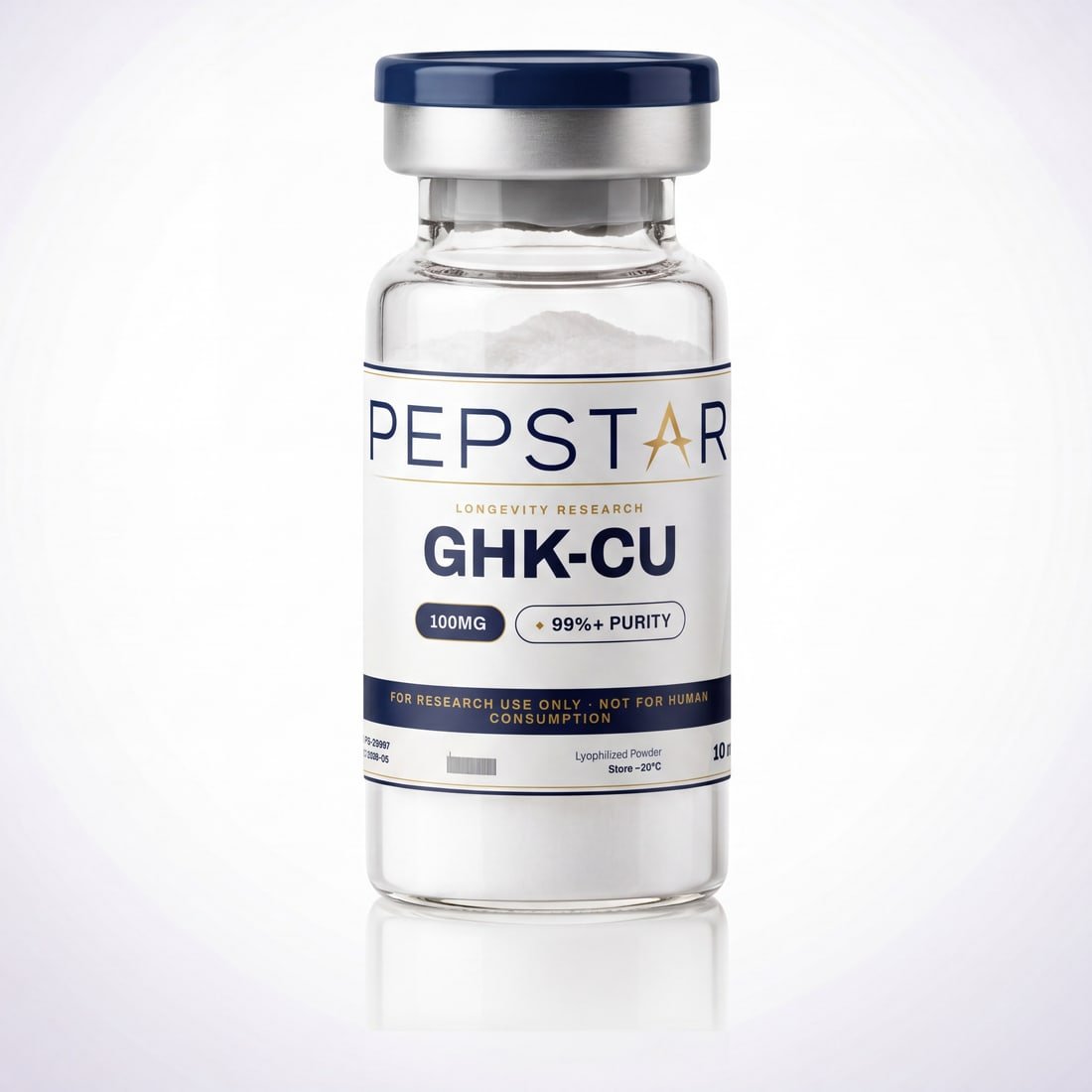
Longevity Research
GHK-Cu
100mg
$60
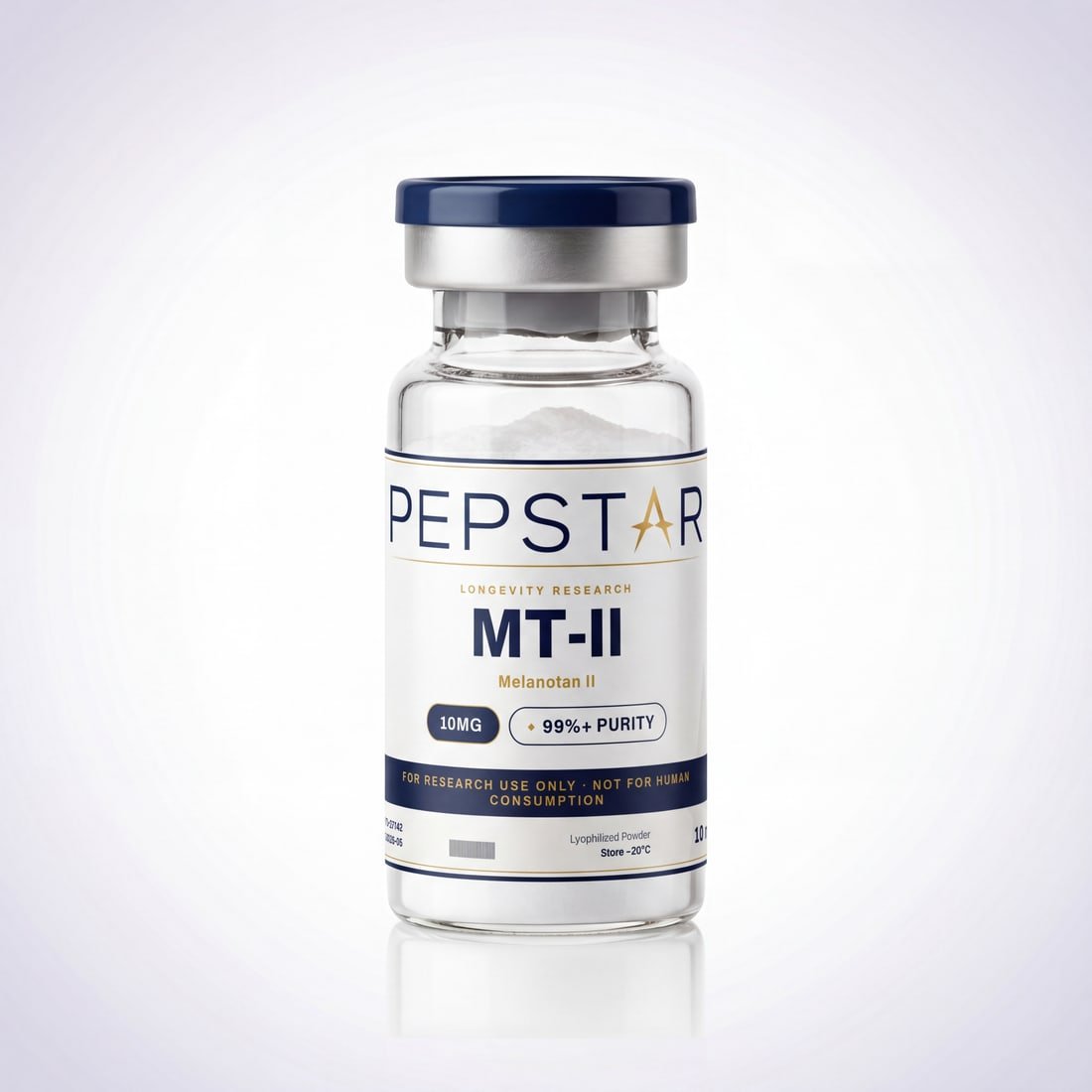
Melanotan II, commonly referred to as MT2, is a synthetic analog of the naturally occurring alpha-melanocyte stimulating hormone (α-MSH). Developed initially at the University of Arizona, this peptide has become one of the most widely researched compounds for studying melanogenesis—the process by which the body produces melanin, the pigment responsible for skin, hair, and eye color.
The peptide works by binding to melanocortin receptors, primarily MC1R, which triggers a cascade of cellular events leading to increased melanin production in melanocytes. This mechanism has made MT2 invaluable for researchers studying skin pigmentation disorders, UV protection mechanisms, and the broader melanocortin system. Understanding these pathways has implications for developing protective strategies against UV-induced skin damage.
Beyond its effects on pigmentation, MT2 has demonstrated activity at multiple melanocortin receptor subtypes, leading researchers to investigate its potential effects on appetite regulation, energy homeostasis, and sexual function. The peptide's ability to cross the blood-brain barrier and interact with central nervous system receptors has expanded its research applications significantly.
MT2 is typically reconstituted with bacteriostatic water for research applications and administered via subcutaneous injection. Researchers have documented gradual increases in melanin production over the course of several administrations, with effects becoming more pronounced with continued use. The peptide remains stable when properly stored and reconstituted, making it practical for extended research protocols investigating tanning mechanisms and melanocortin receptor function.
| Compound | MT-II (Melanotan II) |
| Category | Longevity Research |
| Available sizes | 10mg |
| Purity | 99%+ |
| Form | Lyophilized Powder |
| Storage | Store lyophilized at −20°C; reconstituted, refrigerate at 2–8°C |
For research use only. Not for human or veterinary use, consumption, or therapeutic application.

Every batch is third-party tested for 99%+ purity. Order before 3PM EST for same-day dispatch.