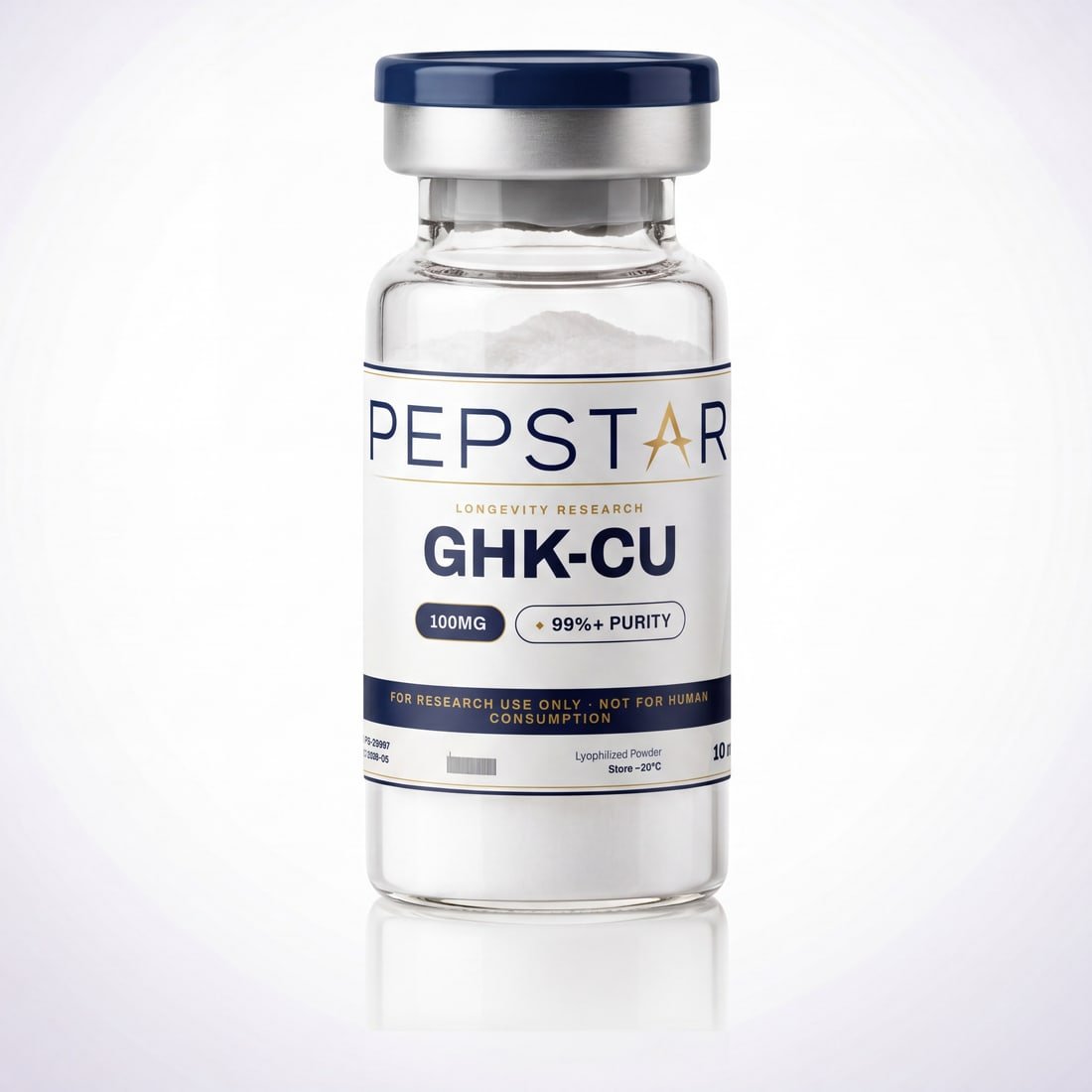
Longevity Research
GHK-Cu
100mg
$60
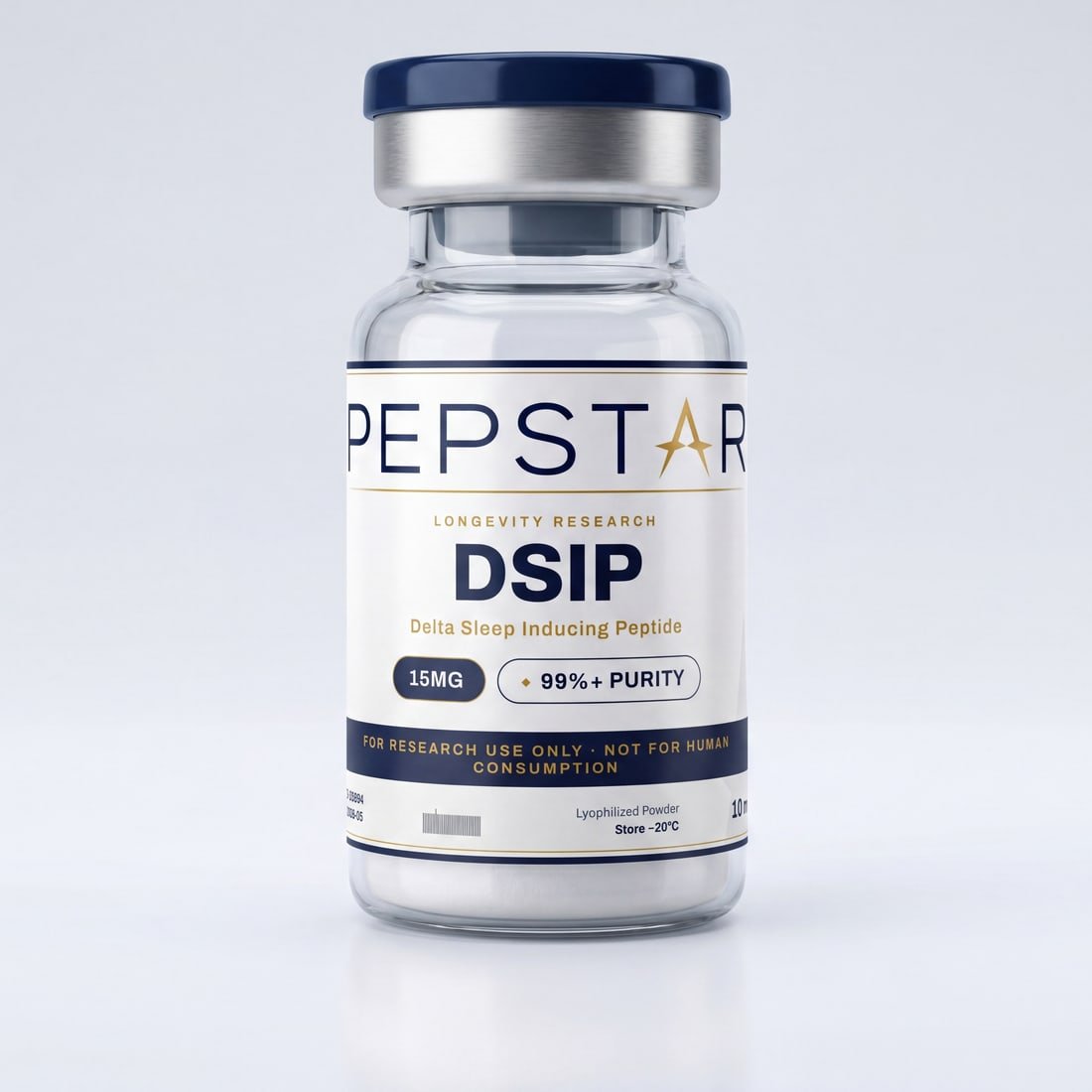
Delta Sleep Inducing Peptide, known as DSIP, is a naturally occurring neuropeptide first isolated from rabbit brain tissue in 1977 by Swiss researchers. This remarkable nine-amino-acid peptide has since become a cornerstone of sleep research, offering scientists a powerful tool for investigating the complex neurochemical mechanisms that regulate sleep architecture and circadian rhythms.
DSIP's primary mechanism involves modulating the delta wave activity during sleep—the slow, high-amplitude brain waves associated with the deepest, most restorative stages of sleep. Research has shown that this peptide can help normalize disrupted sleep patterns and promote more efficient sleep cycles, making it invaluable for studies on insomnia, jet lag, and various sleep disorders. Its ability to cross the blood-brain barrier allows it to directly influence central sleep regulatory mechanisms.
Beyond sleep regulation, DSIP has demonstrated fascinating interactions with the stress response system. Studies have shown it can modulate cortisol and ACTH levels, suggesting potential applications in research on stress-related disorders, anxiety, and the hypothalamic-pituitary-adrenal (HPA) axis. Some research indicates DSIP may have adaptogenic properties, helping normalize various physiological parameters under stress conditions.
The peptide has also attracted attention for its potential antioxidant and cytoprotective properties. Research suggests DSIP may help protect cells from oxidative stress and support recovery processes. For sleep and recovery research, DSIP is typically administered in the evening hours, with researchers noting improvements in sleep onset, duration, and overall sleep quality. Its excellent safety profile in studies makes it a preferred choice for long-term sleep architecture investigations.
| Compound | DSIP (Delta Sleep Inducing Peptide) |
| Category | Longevity Research |
| Available sizes | 15mg |
| Purity | 99%+ |
| Form | Lyophilized Powder |
| Storage | Store lyophilized at −20°C; reconstituted, refrigerate at 2–8°C |
For research use only. Not for human or veterinary use, consumption, or therapeutic application.

Every batch is third-party tested for 99%+ purity. Order before 3PM EST for same-day dispatch.